Buying rural acreage near Bonduel can feel exciting right up until the big questions start piling up. Can you build on it, split it later, add a shop, or install well and septic without surprises? If you want land that truly fits your plans, you need more than a pretty view and a boundary line. You need to know how Shawano County and Bonduel rules apply before you close. Let’s dive in.
Start With Location Boundaries
One of the first things to confirm is whether the parcel is inside the Village of Bonduel or in one of the surrounding unincorporated towns. That line matters because the rules change depending on where the property sits.
If the parcel is inside the village, the Village of Bonduel zoning ordinance and official zoning map control. If it is outside the village in unincorporated Shawano County, county zoning, shoreland, floodplain, and land-use rules may apply instead.
That means your first due diligence step is not just asking, “Is this near Bonduel?” It is asking, “Which jurisdiction controls this exact parcel?” Getting that answer early can save you time, money, and frustration.
Check Zoning Before Anything Else
For rural acreage, zoning is the starting point for almost every other decision. Shawano County recommends using its GIS Viewer with the parcel tax ID or address to identify the zoning district.
Once you know the zoning, you can begin answering practical questions about what may be allowed. That includes building a home, adding an outbuilding, creating a new lot, or using the land for certain agricultural purposes.
Farmland Preservation Needs Extra Review
If the parcel is zoned FP, or Farmland and Forest Preservation, do not assume it is automatically buildable. Shawano County says parcels in that district must be checked for development rights, and the land may or may not be buildable.
Some rural acreage may also fall under farmland preservation zoning rules. Wisconsin DATCP says these districts limit land uses to agriculture and compatible uses, and some owners may qualify for a farmland preservation tax credit if program requirements are met.
Village Parcels Follow Village Rules
If the acreage is actually inside Bonduel village limits, county general zoning is not the right first stop. Shawano County notes that villages and cities in the county are outside county general zoning jurisdiction.
That is why village parcels should be reviewed under Bonduel’s zoning ordinance and map first. A parcel marketed as “Bonduel acreage” may still fall under a very different set of standards than nearby rural land outside the village.
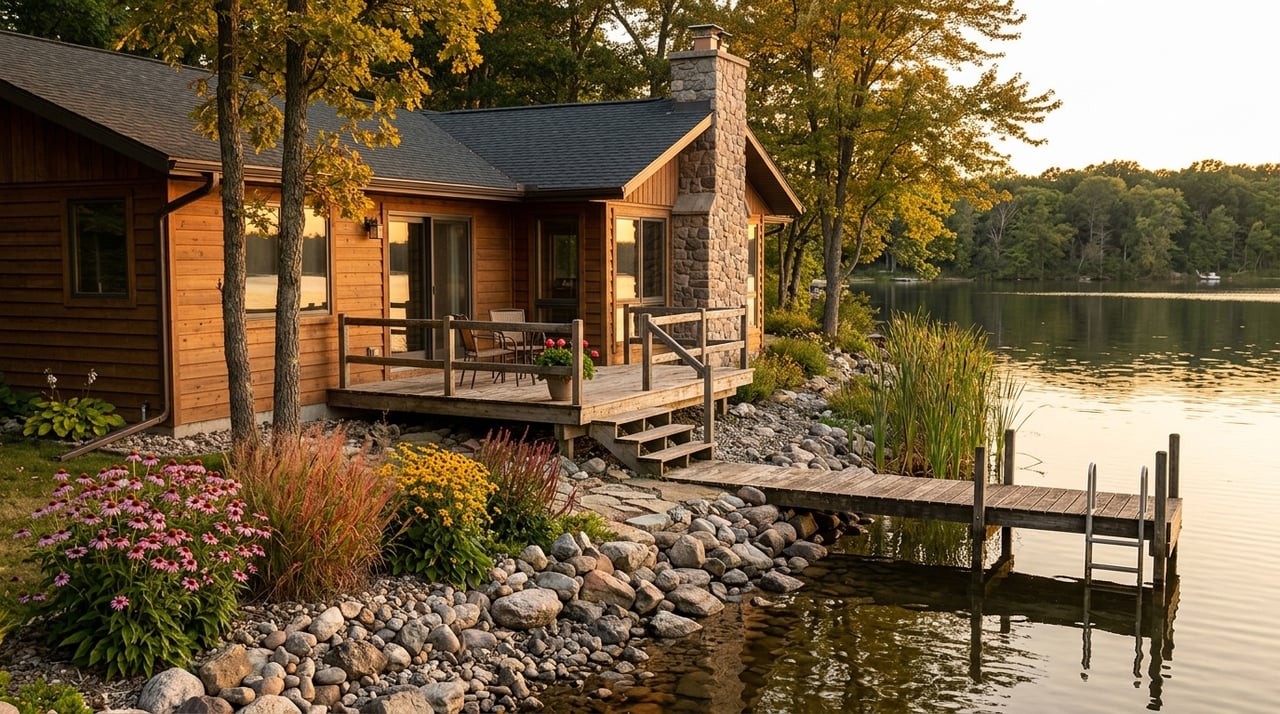
Look Closely at Shoreland and Floodplain Areas
Water features can add appeal to rural land, but they can also change the approval process. In unincorporated areas, Shawano County shoreland jurisdiction applies within 1,000 feet of navigable lakes, ponds, or flowages, and within 300 feet of navigable rivers or streams.
The county also administers floodplain and shoreland-wetland ordinances in unincorporated areas. So if a parcel is near water, you should verify whether setbacks, fill limits, grading rules, or additional permits affect your plans.
Site Work May Need More Approvals
If you plan to fill, grade, or excavate in a shoreland area, additional county approval or Wisconsin DNR permits may be needed. The county also places responsibility for wetland determinations on the property owner through the U.S. Army Corps of Engineers and Wisconsin DNR process.
In plain terms, land that looks usable on a drive-by visit may still have development limits. That is why site conditions should be checked parcel by parcel, not assumed from nearby properties.
Confirm Legal Access Early
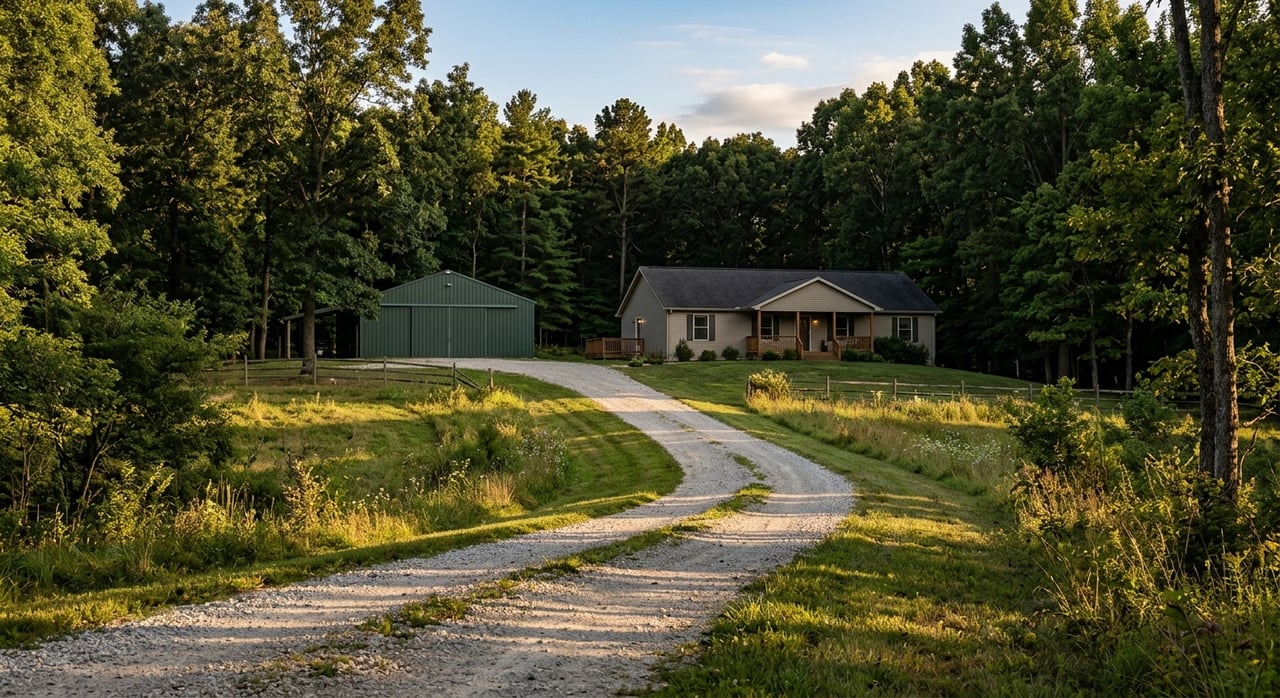
Access is one of the most important issues on vacant land. A parcel may look straightforward on a map, but legal and physical access are not always the same thing.
If you are creating a new lot, Shawano County land-division rules require legal nonexclusive vehicular access to a public street and at least 33 feet of frontage. The county also requires preliminary consultation before a draft Certified Survey Map, or CSM, is submitted.
Driveway and Culvert Permits Matter
For new construction, driveway and culvert permitting depends on the road type. State and federal highways go through WisDOT, county highways go through the county highway department, and town roads may require a town permit.
Shawano County also says 911 address and fire-number issuance is handled by the Property Listing Department, and sanitary permits will not be be issued until the 911 address has been obtained. In many towns, driveway or culvert permits are needed before the 911 address is issued, so access questions often affect your timeline much earlier than buyers expect.
Know What It Takes to Build
A rural parcel is not truly ready for your plans until you confirm buildability. That means reviewing zoning, setbacks, access, soils, utilities, and any overlays such as shoreland or floodplain.
If you are buying land with the goal of building a house or outbuilding, it is smart to treat every parcel as unique. Shawano County’s planning materials include mapping for prime farmland, groundwater resources, contamination susceptibility, surface water resources, and utilities, which is a good reminder that conditions can vary sharply from one property to the next.
Recorded Restrictions Still Count
Zoning is not the only rulebook. Shawano County also notes that platted areas may have covenants and deed restrictions, so recorded documents matter too.
That means a parcel could meet zoning requirements and still have private restrictions that affect what you can build or how the land can be used. Reviewing title documents and surveys is an important part of land due diligence.
Plan for Well and Septic Reality
If the land is not served by public sewer, you will likely need an approved private onsite wastewater treatment system, or POWTS, for any building with plumbing. Shawano County says soil type largely determines what kind of system can be used.
Most POWTS work must be done by a properly licensed plumber under permit. This is one of the biggest reasons vacant land purchases require more up-front investigation than many buyers expect.
Soils Testing Comes First
According to Shawano County, the first step in the sanitary-permit process is a soils test by a Certified Soil Tester. Sanitary permits are required before a building permit, and construction cannot start until the permit is issued.
The county also says complete applications are reviewed within 30 days once all documents are submitted. Starting work too early can trigger triple fees, so timing and sequencing matter.
Private Wells Need Thoughtful Review
If a property already has a private well, a property-transfer well inspection is optional in Wisconsin, but many buyers and sellers choose one and some lenders require it. The Wisconsin DNR says that if an inspection is done, it must be completed by a licensed water well driller or pump installer.
The DNR also recommends annual bacteria and nitrate testing for private wells. For buyers, that makes well review an important part of understanding the property’s long-term use and maintenance needs.
Think Beyond the Dream Use
Many buyers picture a future home, garden, hobby farm, storage building, or workshop when they shop for acreage. Those ideas may be possible, but they should be checked against the parcel’s exact zoning and site conditions.
For example, hobby-farm or workshop-style uses can raise wastewater questions. The Wisconsin DNR says POWTS is intended for domestic wastewater, and non-domestic or mixed wastewater can trigger DNR regulation or joint review.
Rustic Shelter Rules Are Different
If a parcel has no public sewer and you only want a rustic shelter, county privy rules may come into play. But Shawano County is clear that those structures cannot have inside plumbing or water service.
The county also notes that privies or non-plumbing toilets may be allowed in some non-plumbed structures, but not on residential-zoned land unless a conditional use permit is approved. So even simple plans still need careful review.
Understand Why Vacant Land Takes Longer
Vacant-land deals often involve more due diligence than existing-home purchases. That is because you are not just evaluating the property as it sits today. You are also testing whether it can function the way you want it to in the future.
In Shawano County, permits are issued by appointment, many require an on-site visit, and the process may take up to three months. If a conditional use permit or variance is needed, public hearings can lengthen the timeline further.
Land Division Adds Another Layer
If your purchase involves a new lot split or CSM, the county requires preliminary consultation before draft submission. Review can consider zoning, floodplain, shoreland, the county comprehensive plan, local comprehensive plans, public health, and the POWTS ordinance.
The county also says delinquent taxes on the parent parcel must be paid before approval, and final CSMs must be recorded within the required timeframe. Easements and legal descriptions must also be shown, which is why survey work and document review often become key parts of the transaction.
A Smart Due Diligence Checklist
Before you buy rural acreage near Bonduel, it helps to work through a simple checklist:
- Confirm whether the parcel is in the Village of Bonduel or unincorporated Shawano County
- Verify the zoning district using the county GIS Viewer or village zoning resources
- Check whether FP zoning or farmland preservation rules apply
- Review shoreland, floodplain, and wetland concerns if the parcel is near water
- Confirm legal access, frontage, and driveway or culvert permit needs
- Ask whether a lot split or CSM is involved
- Review recorded easements, covenants, and deed restrictions
- Order soils testing if septic suitability is still unknown
- Evaluate private well conditions if a well already exists
- Build enough time into your offer and closing plan for permits and site review
This kind of step-by-step approach helps you separate land that looks good on paper from land that truly fits your goals.
Why Local Guidance Matters
Rural acreage near Bonduel can offer privacy, flexibility, and long-term value, but each parcel comes with its own set of questions. The best purchase decisions usually happen when you investigate the property’s rules, access, and utility realities before you get emotionally committed.
That is where local experience makes a difference. When you are comparing parcels in Bonduel and greater Shawano County, you want someone who understands how rural land, vacant lots, and county processes tend to play out in the real world.
If you are thinking about buying acreage near Bonduel, Jim Liesner can help you evaluate your options, spot red flags early, and move forward with a clear plan.
FAQs
What should I check before buying rural acreage near Bonduel?
- Start by confirming whether the parcel is inside the Village of Bonduel or in unincorporated Shawano County, then verify zoning, access, shoreland or floodplain issues, and septic suitability.
Can I build a house on vacant land near Bonduel?
- Maybe, but you need to confirm the exact zoning district, setbacks, development rights, and any shoreland, floodplain, or wetland constraints before assuming the parcel is buildable.
How do Shawano County septic rules affect vacant land buyers?
- If the property is not served by public sewer, a soils test by a Certified Soil Tester is the first step, and a sanitary permit is required before a building permit or construction can begin.
Do Bonduel-area acreage parcels always have easy road access?
- No. You should verify legal access, frontage, and whether driveway or culvert permits are needed, since those steps may affect 911 addressing and later permit approvals.
Can I split rural land near Bonduel after I buy it?
- Do not assume so. Shawano County requires preliminary consultation before draft CSM submittal, and land division review can involve zoning, access, floodplain, shoreland, and public health considerations.
Should I inspect a private well on rural acreage in Shawano County?
- A property-transfer well inspection is optional, but many buyers and sellers choose one, some lenders require it, and the Wisconsin DNR recommends annual bacteria and nitrate testing for private wells.