Buying a home in Bonduel can feel simple at first glance, but local details can change the process quickly. You might tour a house in the village with municipal water and sewer one day, then look at a rural property with a private well and septic system the next. This guide will walk you through each step, help you spot the Bonduel-specific issues that matter, and show you how to move forward with more confidence. Let’s dive in.
Start With Your Budget
Before you schedule tours, get clear on what you want to spend each month and what you feel comfortable spending overall. A lender may preapprove you for more than you actually want to borrow, so your budget should reflect your goals, not just a maximum number on paper.
That matters in Bonduel because homes can come with different upkeep costs depending on age, condition, and utility setup. The village has about 1,500 residents, and much of the local housing stock is older, which can mean more maintenance and repair planning from the start.
Build a Budget That Fits Real Life
As you plan, think beyond the mortgage payment alone. You will also want room for property taxes, insurance, utilities, inspections, and possible repairs after closing.
If you are looking at older homes, it is smart to leave some cushion in your budget. Bonduel’s comprehensive plan reported that 45.6% of housing was built before 1960 and 68.1% before 1980, so repair history and future upkeep should be part of your decision early on.
Get Preapproved Early
Once you are serious about buying, preapproval is a helpful next step. It shows sellers you are prepared and gives you a practical price range while you shop.
Still, it helps to treat a preapproval letter as a starting point, not a finish line. It is a tentative promise to lend up to a certain amount, not a guaranteed loan, and it often expires in 30 to 60 days.
Why Timing Matters in Bonduel
In a smaller market like Bonduel, the right home may not appear the moment you are ready. If your search takes time, your preapproval may need to be refreshed before you write an offer.
That is one reason local guidance can help. You want your financing timeline to match your home search, especially if you are comparing village homes, rural acreage, or older properties that may lead to extra lender questions.
Tour Bonduel Homes With Local Questions
Not every Bonduel-area property should be evaluated the same way. One of the first things to ask is whether the home is connected to village water and sewer or relies on private systems.
In-town homes are more likely to use municipal utility service. Rural homes outside the village core may involve a private well and a septic system, which can add separate inspection and review steps.
Ask About Systems and Age
As you tour, ask clear questions about the major components of the home. Focus on the roof, furnace, windows, foundation, and any known utility or access issues.
Because older housing is common in Bonduel and across Shawano County, these details matter. A home can show well during a tour and still need meaningful updates, so it helps to understand the maintenance story before you decide how strong an offer to make.
Compare Village and Rural Properties Carefully
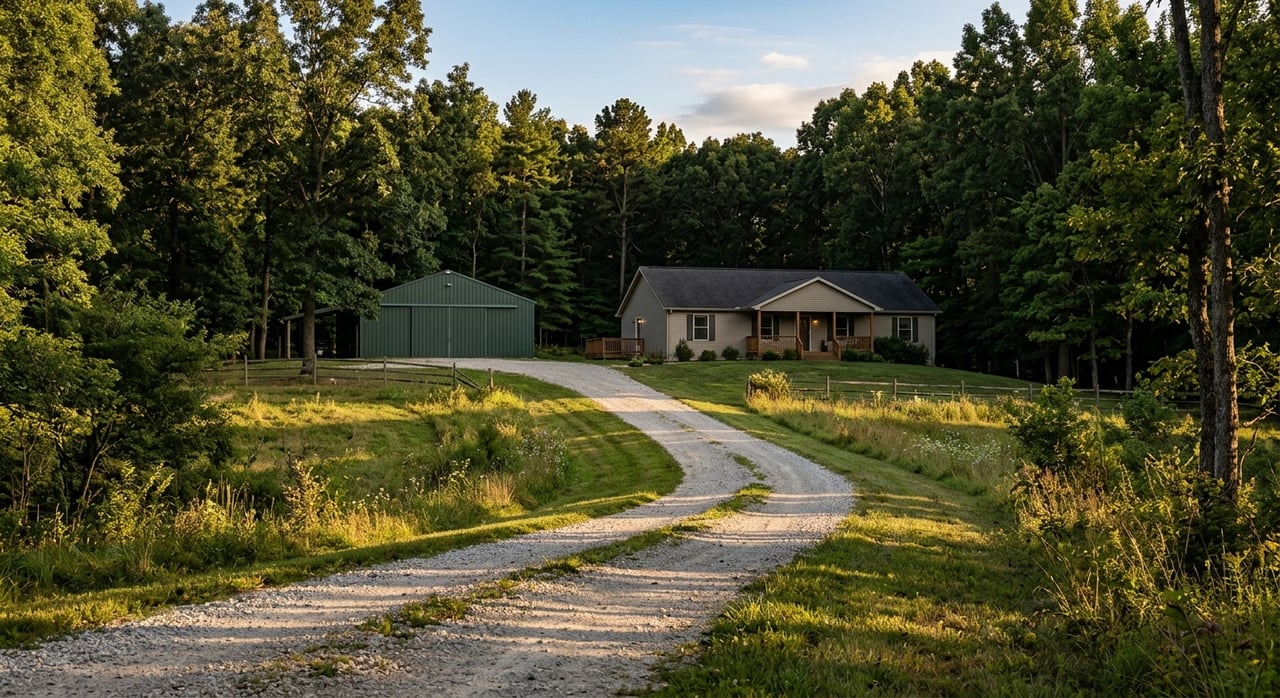
Bonduel buyers often choose between an in-village home and a more rural setting nearby. Both can be a great fit, but the due diligence looks a little different.
A village home may offer a more straightforward utility setup through municipal water and sewer. A rural property may offer more land or privacy, but it usually requires closer review of the parcel, systems, and county rules.
Rural Due Diligence Can Be More Layered
In Shawano County, the Planning and Development Department oversees private onsite wastewater treatment systems, also called POWTS. The county says soil conditions largely determine what septic system can be used, and the county also has authority over zoning, land division, shoreland rules, and related permits.
That means a rural Bonduel-area purchase can involve more parcel-specific questions than a typical subdivision home. If you are buying acreage or a home outside the village core, you will want to slow down and verify the details before removing contingencies.
Write a Smart Offer
Once you find the right home, the next step is writing an offer that protects you while staying competitive. In Wisconsin, the WB-11 residential offer form can include the purchase price, closing terms, and inspection contingency details.
This is where timing matters. Inspection deadlines, financing terms, and notice periods all need to work together so you have enough time to complete your due diligence.
Keep Financing and Inspection Deadlines Realistic
After you choose a home, request Loan Estimates from multiple lenders. Buyers can potentially save $600 to $1,200 per year by comparing mortgage offers, and lenders must send a Loan Estimate within three business days after receiving the required information.
On the inspection side, the WB-11 form can include a general home inspection, separate component inspections, and follow-up inspections. The buyer pays the inspection costs and must give notice by the contract deadline, so it is important to allow enough time if the property has private systems or other added complexity.
Use Inspections to Find Local Risks
A good inspection period is about more than finding visible defects. In Bonduel, it is also your chance to uncover issues tied to age, utilities, and rural property conditions.
That is especially important when you are looking at older homes or homes outside the village. The right inspection plan depends on the property, not just the listing price.
General Inspection Plus Property-Specific Checks
A general home inspection is often the foundation. From there, some homes may justify specialist follow-up inspections depending on what the first inspection reveals.
For Bonduel-area buyers, a private well check and a septic or POWTS review are often key for rural properties. Wisconsin DNR says a private-well transfer inspection is optional, but if one is done, it must be performed by a licensed well driller or pump installer, and it can include water testing for coliform bacteria, nitrate, and arsenic.
Older Homes May Need Extra Attention
If the home is older, you may also want to ask about radon and lead-based paint. Wisconsin DHS recommends radon testing during real estate transactions.
For homes built before 1978, lead-based paint is more likely to be present. Federal law requires lead-hazard information to be disclosed before a buyer becomes obligated under contract on pre-1978 housing, so make sure you review that information carefully during the offer process.
Navigate the Mortgage and Closing Process
After inspections and negotiations, your loan moves toward final approval and closing. This stage can feel paperwork-heavy, but a few key items deserve extra attention.
The Closing Disclosure must be delivered at least three business days before closing. That gives you time to compare the final terms with the earlier Loan Estimate and make sure the numbers line up with what you expected.
Ask How Taxes and Recording Will Be Handled
In Wisconsin, a completed real estate transfer return and fee are required before the deed can be recorded. That is one of the local transaction details that affects the final closing process.
In Shawano County, property taxes for Bonduel-area municipalities are generally due by January 31, with a split-payment option that puts the second installment due by July 31. If your closing is near one of those deadlines, ask the title company how taxes, prorations, and recording will be handled.
What Can Change Your Timeline
Even when the basic steps are familiar, Bonduel purchases can take a little longer depending on the property. Older homes, private systems, and rural parcels can all add moving parts.
That does not mean the process has to be stressful. It just means the best path is usually a well-planned one.
Common Timeline Factors in Bonduel
Here are a few things that can slow down or reshape a transaction:
- Older housing may lead to more repair discussions, bids, or inspection follow-up
- Rural properties may need well testing, septic review, or soil-related evaluation
- Utility setup can affect lender questions and negotiation strategy
- Closing dates near tax deadlines may require extra coordination
Why Local Guidance Helps
Buying in Bonduel is not only about finding a house you like. It is about understanding how village utilities, rural systems, older housing, and county processes can affect your budget, timeline, and negotiations.
That is where experience in Shawano County makes a difference. When you know what questions to ask early, you can avoid surprises and make stronger decisions from tour to closing.
If you are getting ready to buy in Bonduel, Jim Liesner can help you navigate the process with practical local insight and steady guidance every step of the way.
FAQs
When should you get preapproved to buy a home in Bonduel?
- You should get preapproved once you are serious about buying, because it helps you shop with a clear price range, but remember the letter is tentative and often expires in 30 to 60 days.
What should you ask when touring homes in Bonduel?
- Ask whether the property uses municipal water and sewer or a private well and septic system, and ask about the age and condition of the roof, furnace, windows, and foundation.
Do rural Bonduel homes need extra inspections?
- Yes, if the home has a private well or septic system, it is smart to plan for specialist inspections in addition to a general home inspection.
Why do older homes matter when buying in Bonduel?
- Older homes are common in Bonduel, so you may need to pay closer attention to maintenance history, repair costs, radon testing, and possible lead-paint disclosures for pre-1978 homes.
What is different about closing on a home in Bonduel?
- The main mortgage steps are familiar, but local factors like transfer-return recording requirements, property tax timing, and private utility issues can add extra details before closing.